Introduction
In the hectic world of healthcare, the role of nurses is ever-evolving. One location that has actually seen considerable development in relevance is ventilator management. ventilation certification courses As healthcare experts, nurses are commonly the frontline caregivers in charge of guaranteeing that people who call for respiratory assistance obtain ideal treatment. This need has actually made ventilator training for nurses not simply helpful yet important. With a boosting number of individuals requiring ventilatory assistance as a result of numerous clinical conditions, comprehending just how to take care of and run ventilators effectively can considerably improve individual outcomes.
In this detailed overview, we will look into the nuances of ventilation training courses, talk about numerous aspects of airway administration, and explore how customized training can encourage registered nurses to offer outstanding patient treatment. We will additionally cover essential areas such as tracheostomy and ventilator training, along with various ventilation strategies like ventilator stress support
Essential Ventilator Training for Nurses: Enhancing Individual Care
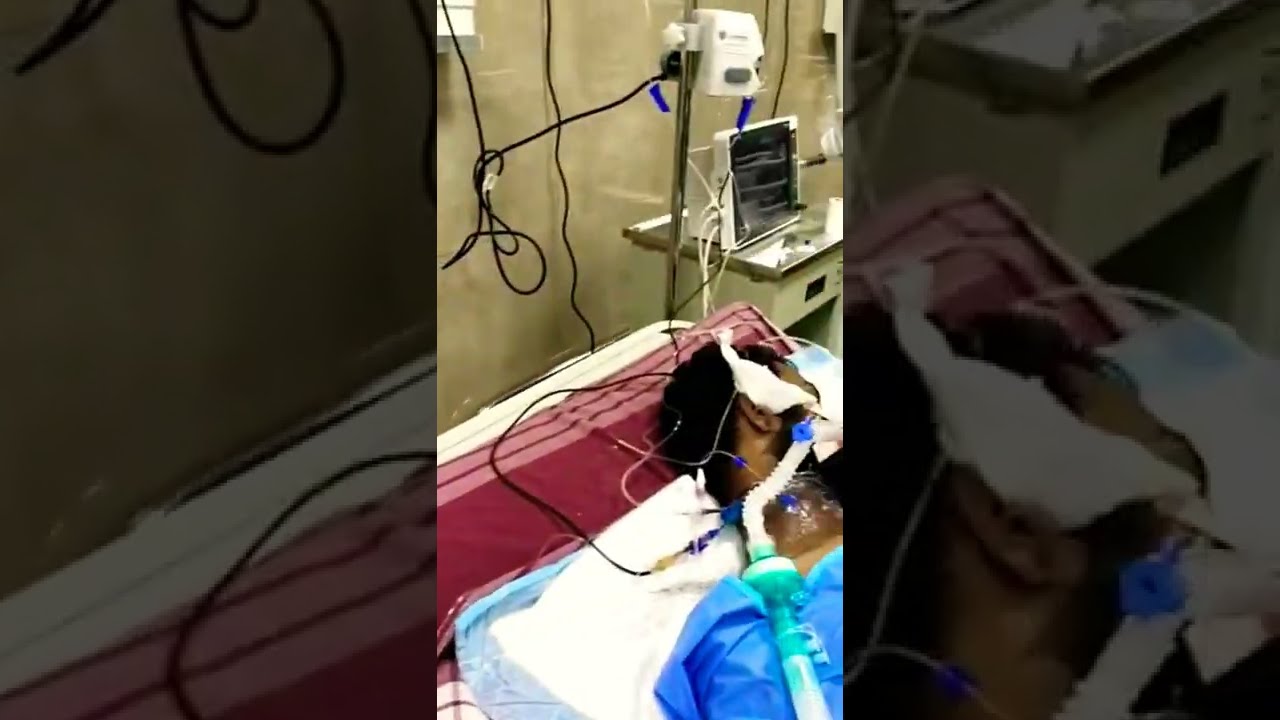
Nurses have an essential role in managing individuals on mechanical ventilation. The complexity of ventilators and the physiological implications of their use require a durable understanding among taking care of personnel. By participating in ventilation training, registered nurses can become skilled at interpreting ventilator setups and responding to changes in clients' conditions promptly.
Understanding Ventilators: A Newbie's Guide
What is a Ventilator?
A ventilator is a mechanical device designed to aid or replace spontaneous breathing by supplying oxygen-rich air into the lungs. It is critical in circumstances where individuals can not breathe appropriately by themselves as a result of different medical problems, consisting of breathing failure or neurological impairments.
How Do Ventilators Work?
Ventilators operate via a number of modes that adjust air movement based upon the individual's requirements. Understanding these settings-- such as Assist-Control (AIR CONDITIONING), Synchronized Recurring Obligatory Air Flow (SIMV), or Stress Assistance Air Flow (PSV)-- is crucial for reliable client care.
The Significance of Comprehensive Ventilator Educating Courses
Why Buy Training?
Investing time and sources right into a basic ventilator course provides registered nurses with fundamental expertise necessary for risk-free and reliable individual care. The complexities associated with making use of ventilators demand specialized education that goes beyond fundamental nursing training.
Types of Ventilation Training Courses Available
Basic Ventilator Course Advanced Ventilation Training NDIS Ventilation Training Course Specialized Respiratory tract Administration CoursesBy participating in these training courses, nurses can refine their skills in identifying difficulties related to mechanical air flow, changing setups appropriately, and carrying out emergency procedures when required.
Key Elements of Effective Respiratory Tract Management
Principles of Air passage Management and Ventilation
Airway monitoring includes maintaining an open air passage to ensure ample airflow during air flow procedures. Nurses must excel in various airway strategies and understand prospective complications associated with airway obstruction.

Tracheostomy and Its Duty in Ventilator Management
What is Tracheostomy?
A tracheostomy is an operation that develops an opening with the neck into the windpipe (trachea) to assist in breathing when typical approaches are inadequate.
Challenges Related to Tracheostomy Care
Managing a tracheostomy calls for particular skills and knowledge relating to tube maintenance, sucking techniques, humidification requirements, and keeping an eye on for indicators of infection or displacement.
Advanced Concepts: Understanding Mechanical Air Flow Modes
Assist-Control Mode vs. SIMV Mode
One vital facet of ventilator monitoring entails comprehending various settings such as Assist-Control (AIR CONDITIONING) versus Integrated Intermittent Obligatory Ventilation (SIMV).
- In AC mode, every breath taken by the patient sets off a collection quantity or pressure from the ventilator. Conversely, SIMV enables individuals to breathe spontaneously in between machine-delivered breaths.
This difference can fundamentally impact individual convenience and recuperation rates.
Ventilator Pressure Support: A Crucial Part in Individual Care
What is Ventilator Pressure Support?
Ventilator pressure assistance refers to a mode where the equipment assists each breath started by the individual up to a preset stress degree without providing a predetermined tidal volume.
Benefits of Utilizing Pressure Assistance Mode
- Reduced job of breathing Improved oxygenation Enhanced person comfort
Understanding how to apply this mode successfully can lead to much better professional results for people calling for mechanical ventilation.
Best Practices for Keeping an eye on Individuals on Mechanical Ventilation
Monitoring individuals on mechanical ventilation involves regular analysis using different criteria:
Arterial blood gases (ABGs) End-tidal carbon dioxide levels Respiratory rate Oxygen saturation levelsBeing watchful regarding these metrics enables nurses to identify any type of deterioration early and step in accordingly.
FAQs
1. What certifications do I require for ventilator training?
To sign up in the majority of ventilation training programs, you normally require to be a licensed registered nurse or medical care professional with standard life support certification.
2. How much time does it require to complete a fundamental ventilator course?
Most standard ventilator training courses vary from eventually to numerous weeks relying on the organization providing them; nonetheless, they often include both theoretical learning and hands-on practice sessions.
3. Is there continuous education called for after preliminary training?
Yes, recurring education and learning is vital considering that innovation develops swiftly within healthcare settings; correspondence course help keep expertise levels among nursing staff.
4. Can I carry out tracheostomy care without specialized training?
While fundamental nursing skills may allow you some level of involvement with tracheostomy treatment, specialized training guarantees you Have a peek here understand all threats related to it comprehensively.

5. What should I do if an individual's condition deteriorates while on a vent?
If you see indications suggesting weakening condition-- such as boosted breathing distress-- you must evaluate crucial indications quickly while informing your medical care team for treatment according method established at your facility.
6. Just how do I select which ventilation training course is right for me?
Consider your current ability level, the specific obstacles dealt with at your work environment pertaining to mechanically ventilated patients' needs; registering according those requirements will certainly produce better academic end results customized towards boosting person care abilities effectively!
Conclusion
In final thought, grasping mechanical ventilation with ideal training programs furnishes nurses with necessary tools needed for supplying high-quality person care throughout critical moments when breathing assistance ends up being necessary! Engaging actively with continuing education opportunities makes sure that they keep proficiencies while adjusting best techniques within vibrant medical care environments! Spending time into finding out about innovative principles like tracheostomy administration together with basic concepts enhances confidence levels considerably leading ultimately in the direction of improved professional outcomes overall!
By focusing on boosting their knowledge pertaining to important elements related straight back in the direction of "Vital Ventilator Training for Registered Nurses: Enhancing Individual Treatment," we pave paths ahead towards quality throughout our profession assisting us offer those entrusted right into our hands much better each and every single day!